
Why Polyaspartic Floor Coatings Outperform Traditional Epoxy in Central Ohio
Coating Systems
If you are comparing concrete coating options for a garage, basement, patio, or pool deck in Central Ohio, you have likely seen both epoxy and polyaspartic systems marketed as the best choice. Floor Shield of Central Ohio installs polyaspartic coating systems for garage floors, basement floors, patios, pool decks, and commercial surfaces, and the short answer is that polyaspartic generally performs better where fast return to service, UV stability, and resistance to road salt, hot tire transfer, and seasonal weather matter most. That said, the right choice still depends on the full coating system and how well the concrete is prepared before any resin goes down.
What Actually Separates Polyaspartic from Epoxy
The difference between these two coatings comes down to the resin chemistry. Polyaspartic coatings are fast-curing, aliphatic systems known for strong UV resistance along with good abrasion and chemical resistance, according to manufacturer guidance from Protective Industrial Polymers. Traditional epoxy cures more slowly and can be more prone to UV-related yellowing over time, which matters for sun-exposed surfaces like patios and pool decks.
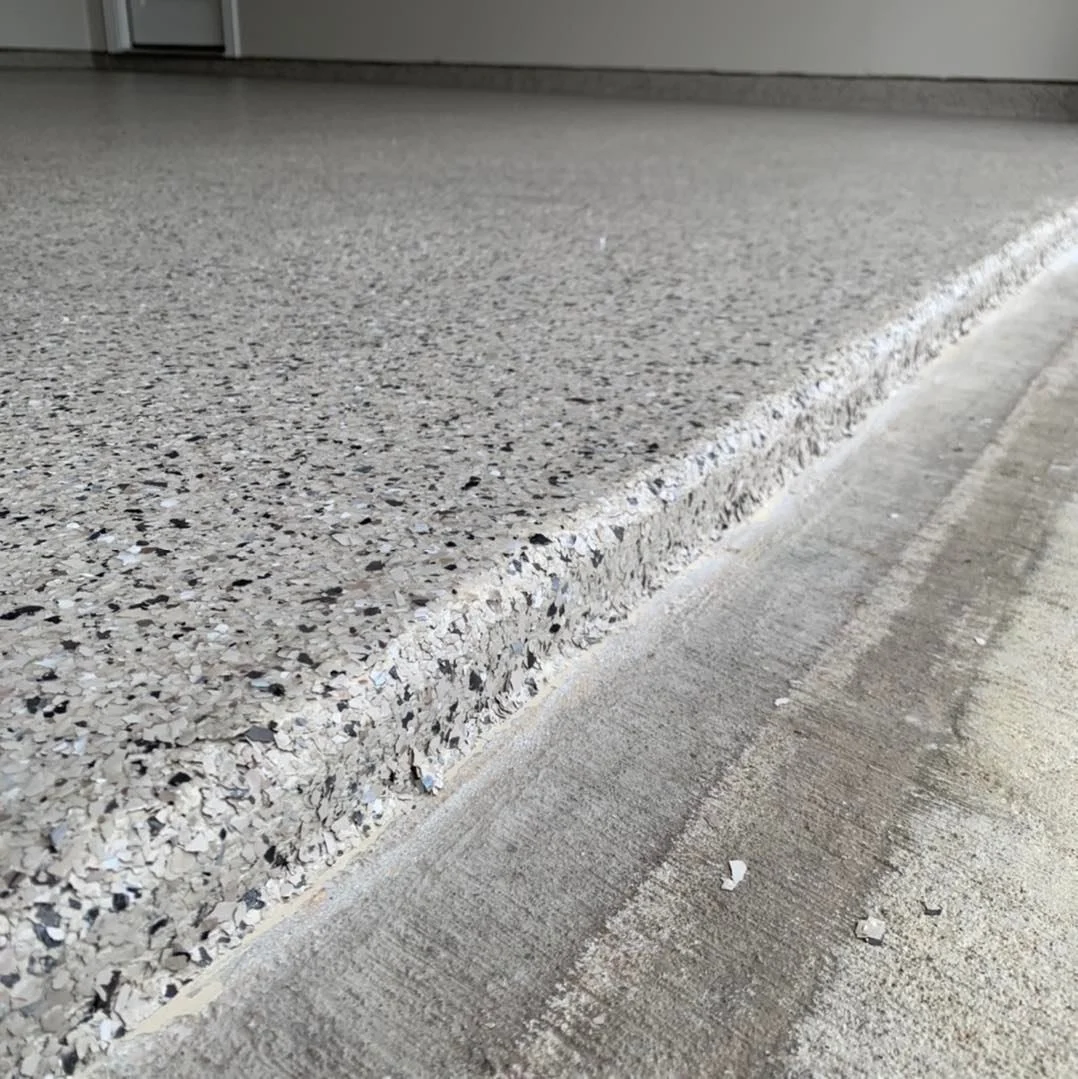
Floor Shield of Central Ohio's garage floor system uses a 100% polyaspartic, two-coat resin system installed over a mechanically diamond-ground concrete profile. That is a meaningful distinction from a paint-on product. The mechanical profile gives the resin a surface to properly bond with, which is a key part of why the system performs well over time.
Why Central Ohio Conditions Matter in This Decision
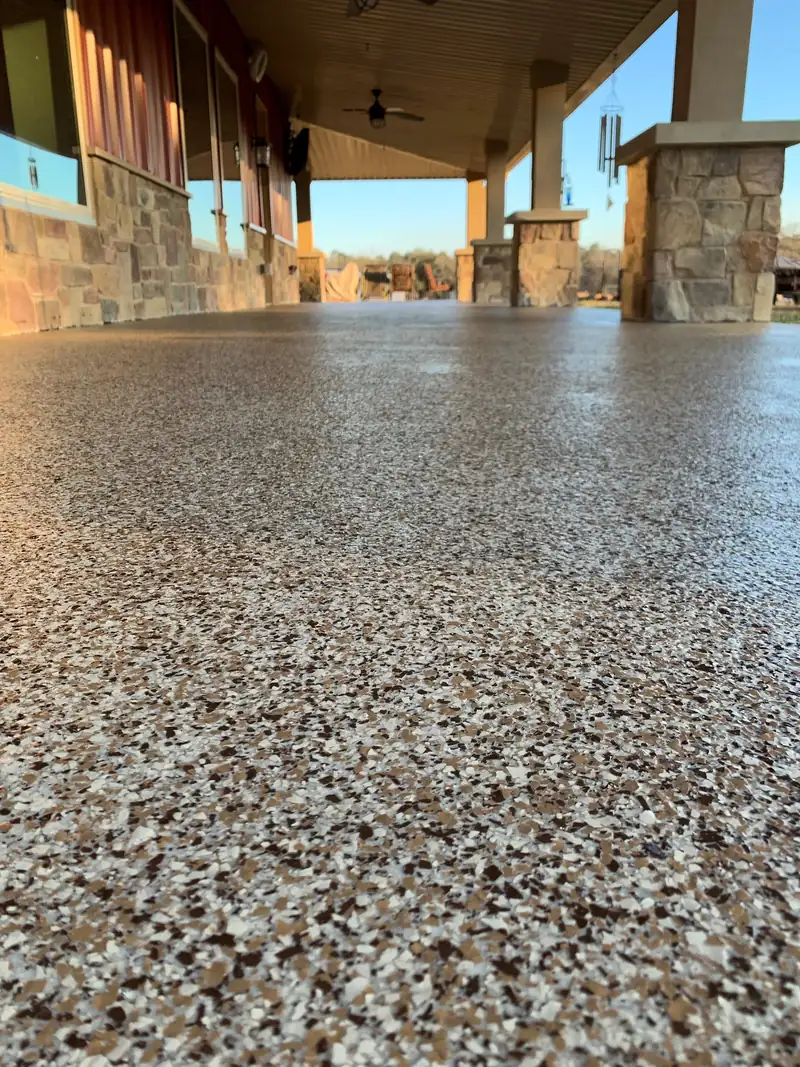
Central Ohio floors deal with a specific set of stresses throughout the year, including road salt, slush, and ice melt tracked in on vehicle tires, humidity swings between seasons, direct sun exposure on patios and pool decks, and freeze-thaw cycles that stress concrete and anything bonded to it. A coating that resists these conditions well is going to hold up better for garages, basements, patios, and pool decks across the region than one that was not built with this kind of exposure in mind.
It Is Not Just the Resin, It Is the Whole System
One of the most common mistakes buyers make is choosing a coating based on the resin name alone. In reality, there are a few different approaches used across the market:
- A full polyaspartic system, using polyaspartic resin for both base and top coats
- A full polyurea system, offering similarly fast cure times
- A hybrid system using a slower-curing epoxy base coat with a polyaspartic topcoat, sometimes used to address specific slab conditions
Before deciding, it is worth asking a contractor what base coat, topcoat, and cure schedule they are proposing, and why that configuration fits your slab. The label on the product is less important than the full specification behind it.
Why Preparation Matters as Much as the Coating Itself
Resin chemistry only tells part of the story. Floor Shield of Central Ohio's process includes diamond grinding, targeted crack and surface repair, and moisture readings on every job. This kind of preparation is a meaningful durability signal because poor slab prep can undermine even a high-quality coating system. Hairline cracks and minor surface imperfections can typically be addressed during this prep stage, though structural cracks or a heaving slab may need to be evaluated by a concrete contractor before any coating is applied.
Installation Timing: A Real Practical Difference
Traditional epoxy is often associated with a longer cure timeline before a space is usable again. Polyaspartic systems are selected in many cases specifically to shorten that downtime. For most residential installations, Floor Shield of Central Ohio completes the job in one day, with walk-on access available within hours and vehicle return generally possible by the next morning or within 24 hours, as confirmed by the installation crew. For a garage you rely on daily, that turnaround can make a real difference in planning the project.
Cost and What You Get for It
Pricing depends on the scope of the project, but for reference, most two-car garage polyaspartic systems from Floor Shield of Central Ohio run about $6.50 to $9.00 per square foot, or roughly $2,600 to $4,500 for a standard garage with a decorative flake finish. This is Floor Shield of Central Ohio's published estimate range for that specific scope, not a universal regional price, since square footage, prep work needed, and finish selection all affect the final number.
Floor Shield of Central Ohio also backs its work with a 15-year non-prorated warranty covering peeling, delamination, and product failure under normal use, which gives buyers a clear, stated level of coverage to weigh against the upfront cost.
Finish Options Also Factor Into the Decision
Beyond performance, the topcoat on a polyaspartic system is stain-resistant, slip-resistant, and easy to clean, with decorative flake, quartz, and solid-color finish options available. For surfaces like pool decks where traction matters, or a garage where you want a specific look, finish selection is worth discussing as part of the overall system choice.

Frequently Asked Questions
How do I compare a full polyaspartic system with an epoxy-base and polyaspartic-topcoat system?
Ask about the base coat material, the topcoat material, and the full cure schedule rather than relying on a single product name. Each layer affects cure time and long-term performance differently depending on your slab's condition.
What concrete conditions need to be addressed before either epoxy or polyaspartic is installed?
Moisture levels and the surface profile of the concrete both need to be evaluated. Diamond grinding and moisture readings help confirm the slab is ready, and any hairline cracks or surface imperfections are typically addressed during prep.
How soon can I walk on, move items onto, or park on a newly coated floor?
For most residential polyaspartic installations from Floor Shield of Central Ohio, walk-on access is available within hours, with vehicle return generally possible by the next morning or within 24 hours, confirmed by the installation crew.
Ready to Compare Your Options?
If you are weighing epoxy against polyaspartic for a garage, basement, patio, or pool deck in Central Ohio, Floor Shield of Central Ohio can walk you through what system fits your slab and goals. Call (740) 272-5512 to talk through your project and get a clear estimate based on your space, whether you are in Hilliard or elsewhere across Central Ohio.
Get an Instant Estimate